Explore Buddhism: Karma – Nothing happens without a cause
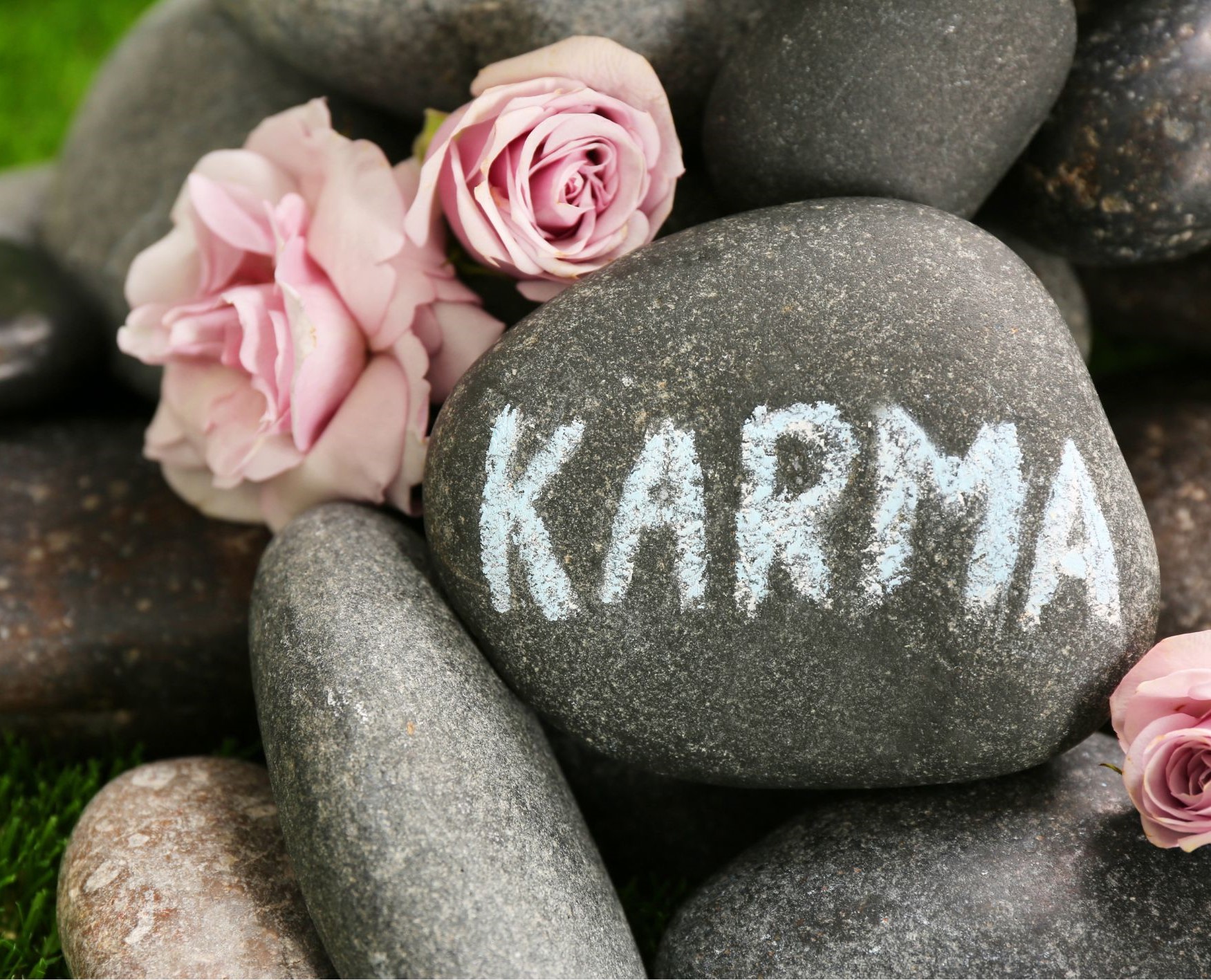
Explore Buddhism: Karma - Nothing happens without a cause
Saturday 26 September 2026 – 10.30am–12.30pm
At Heruka Kadampa Meditation Centre, Golders Green
With Kadam John McBretney
“All our experiences, good and bad, are the results of our past actions.”
— Geshe Kelsang Gyatso
We often hear the word karma, but what does it actually mean?
In this introductory workshop, we explore the Buddhist understanding of karma — the law of cause and effect. You’ll discover that karma is not a system of reward and punishment, but a practical way of understanding how our intentions and actions shape our experience.
By becoming aware of the “seeds” we are planting in our mind through our daily thoughts, words, and actions, we can begin to reduce the causes of future difficulties and intentionally create the causes for a more positive and meaningful life.
This workshop will cover:
- Why is this happening to me?
- Is karma just fate, or can I change things?
- What can I do about the situation I'm in now?
Includes guided meditations, a clear talk, discussion, and time for Q&A.
Everyone is welcome.
About the teacher
Kadam John McBretney is the Resident Teacher of Heruka KMC and has been studying and practising Kadampa Buddhism for over 30 years. Known for his joyful and down-to-earth style, he has a rare ability to make even the deepest subjects clear and accessible, guiding students effortlessly to develop lasting inner peace and wisdom.
Schedule
- Registration - 10am - 10.30am
- Talk, meditations, discussion and questions - 10.30am - 12.30pm
- Refreshments - 12.30pm
The course is free for Silver members and above.
Available live-streamed on Zoom for Silver members and above.
Upcoming Courses & Retreats

Upcoming Courses & Retreats
2026-09-26 Explore Buddhism: Karma – Nothing happens without a cause (Sat 26 Sep)
Explore Buddhism: Karma – Nothing happens without a cause
Sat 26 September 2026 – 10.30am–12.30pm
Book nowAt Heruka Kadampa Meditation Centre, Golders Green
With Kadam John McBretney
2026-10-03 Gain Freedom From Inner Turmoil, Silent Day Retreat (Sat 3 Oct)
Gain Freedom From Inner Turmoil - Silent Day Retreat
Sat 3 Oct 2026 - 10am to 3pm
Book nowHeruka KMC, Golders Green
Silent Guided Retreat with Kadam Ai Peng
2026-10-23 Post Fall Festival retreat (23-25 Oct)
Post-Fall Festival Retreat – Our Real Heart Jewel
Fri 23 – Sun 25 Oct 2026
Book nowAt Heruka Kadampa Meditation Centre, Golders Green
With Kadam John McBretney
The first session on Friday is an introduction, so no festival attendance is needed
2026-10-31 A Buddhist Perspective – How to Stay Kind When Others Aren’t
A Buddhist Perspective - How to Stay Kind When Others Aren't
Sat 31 October 2026 – 10.30am–12.30pm
Book nowAt Heruka Kadampa Meditation Centre, Golders Green
With Kadam John McBretney
2026-11-07 Letting Go of Hurt (Sat 7 Nov)
Letting Go of Hurt
Sat 7 November, 10am–3.30pm
Book nowHeruka KMC, Golders Green
With Kadam John McBretney – Why we take things personally, and how to let go.
Public Talks with Gen-la Dekyong, 8 May 2027
Public Talks with Gen-la Dekyong, 8 May 2027
Sat 8 May 2027
Book nowLogan Hall, 20 Bedford Way
London, WC1H 0ALWith Gen-la Dekyong
Stay Connected - Receive our weekly newsletter
Contact
Free Download
Make a Donation
Donate Now